Source Eco Friendly Anti Slip Yoga Toe Socks for Pilates
Find 30 eco friendly anti slip yoga toe socks from verified manufacturers. Compare features like breathability, anti-bacterial properties, and customization options to select the right pair for your business needs; compare the available evidence and request quotations based on your requirements.
Key considerations
Products List






Comprehensive Sourcing Guide
Eco Friendly Anti Slip Yoga Toe Socks Sourcing Guide
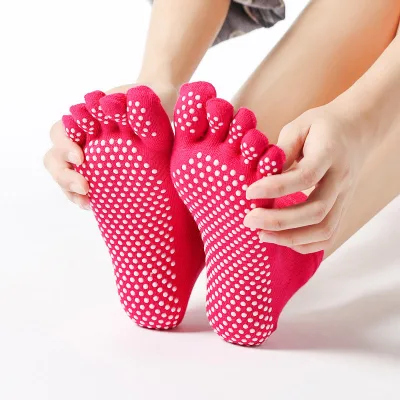
Procurement teams must first distinguish between general athletic socks and specialized toeless yoga variants, as the supplied data reveals distinct product models like DL-TS-22 and DL-TS-31 alongside general ankle socks. The core keyword targets items explicitly labeled as toeless yoga socks with anti-slip features, often constructed from blends of spandex, cotton, or nylon to ensure flexibility and grip. Buyers should verify that the specific listing matches the "Toeless" style attribute rather than standard knee or football socks, which appear in the same catalog but serve different athletic purposes.
When evaluating product scope, it is critical to note that while some listings offer "Any Colour" and customizable logos, the material composition varies significantly between items described as spandex-polyester blends and those listed as cotton or nylon. This variation impacts the final tactile experience and durability, requiring buyers to request physical samples before committing to bulk orders. The observed price range of 0.24 to 3.8 USD suggests a wide disparity in quality and feature sets, necessitating a clear definition of whether the priority is cost efficiency or premium eco-friendly performance.
Product Scope and Observed Listing Signals
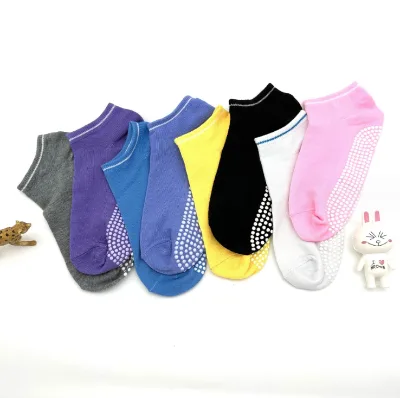
Buyers should prioritize listings that explicitly state "Toeless Yoga Socks" as the item name and confirm the presence of anti-slip properties, as these are the defining characteristics for this specific niche. The data indicates that successful products in this category often feature a low height profile and are designed for daily wearing or specific yoga practices, distinguishing them from high-cut athletic socks. It is essential to cross-reference the "Style" attribute to ensure it matches the "Toeless" requirement, as generic ankle socks with similar materials may lack the necessary grip patterns on the sole.
The observed customization options, including logo placement via jacquard weaving or design-based offerings, provide a significant advantage for private label development. However, the packaging methods vary from simple polybags to color boxes or cloth bags, which directly influences the perceived value and retail readiness of the product. Procurement teams must verify if the "Eco-Friendly" claim is supported by specific material certifications or if it is a general marketing term, as the material list includes both standard synthetics and natural fibers like cotton.
Technical Specifications to Verify
Technical verification must begin with the foot length specifications, which are observed in the data to range from 24 to 26 cm, ensuring the product fits the target demographic of adults or children depending on the specific model. The thickness is generally noted as "Normal," but buyers should confirm the exact gauge and density of the knit to ensure the anti-slip grip does not compromise breathability during intense sessions. The height is consistently listed as "Low" or "Ankle," which is standard for yoga, but the specific dimension must align with the intended use case to prevent slipping or bunching.
Material composition is a critical technical variable, with observed listings citing blends of spandex, polyester, cotton, and nylon. Buyers must verify the percentage of each fiber to balance elasticity with moisture-wicking capabilities, as pure cotton may lack the necessary stretch while pure polyester might reduce breathability. The weight of the product is observed at 35g for certain models, serving as a benchmark for lightweight performance, but this figure should be validated against the specific model number to ensure consistency across the order.
Compliance and Safety Documentation
Safety documentation is paramount for products intended for direct skin contact, and the supplied facts list several relevant certifications including Azo Free, En71-3, Reach, BSCI, ISO, and Sedex. Buyers should request current test reports for these specific standards to verify that the dyes and materials used do not contain harmful substances, particularly for products marketed as eco-friendly or for children. The presence of these certifications indicates a supplier's commitment to regulatory compliance, but the validity of the documents must be confirmed through third-party verification channels.
Beyond chemical safety, the anti-slip functionality requires performance validation to ensure the grip does not degrade after repeated washing or extended use. While the data mentions "Anti-Foul" and "Anti-Bacterial" features, these claims should be backed by specific test results rather than general assertions. Procurement teams should ensure that the supplier can provide evidence of the durability of the silicone or rubber grip patterns, which are essential for preventing injuries during yoga poses on smooth surfaces.
Cost Drivers and Commercial Terms
The observed price range of 0.24 to 3.8 USD highlights that cost is heavily influenced by material quality, customization complexity, and order volume. Buyers should anticipate that lower price points may correspond to standard packaging and minimal customization, while higher prices likely reflect premium eco-friendly materials, custom logo weaving, and specialized packaging like cloth bags. Understanding these drivers allows for more accurate budgeting and prevents the selection of suppliers who may cut corners on material quality to meet aggressive price targets.
Commercial terms such as MOQs ranging from 1 to 2000 units offer flexibility for different business models, from small startups to large retailers. Payment methods including T/T, Trade Assurance, and Paypal provide varying levels of security, with Trade Assurance offering specific order protection that is highly recommended for first-time engagements. Lead times and shipping methods, which can be by sea, air, or express, must be negotiated clearly to align with inventory planning, as the origin location in China or Yangzhou impacts transit duration and logistics costs.
Supplier Qualification and Quality Control
Supplier qualification should focus on verifying the "China Manufacturer" status and specific origin details like Yangzhou, Jiangsu, which are noted in the provided data. Buyers must assess the factory's capacity to handle customization requests, such as the "Offer The Design Based on Your Requirement" feature, to ensure they can meet unique branding needs without compromising production timelines. The presence of certifications like BSCI and Sedex suggests a commitment to ethical labor practices, which is increasingly important for brands with sustainability mandates.
Quality control protocols must be established to address the variability in material blends and construction observed across different product models. Implementing a pre-shipment inspection is crucial to verify that the anti-slip features are correctly applied and that the stitching meets durability standards. Buyers should also confirm the consistency of the "Eco-Friendly" claims by auditing the supply chain for the source of raw materials, ensuring that the final product aligns with the environmental promises made to end consumers.
Long-Term Procurement Checks
Long-term procurement success relies on establishing a robust relationship with suppliers who can maintain consistent quality and compliance over multiple production cycles. Buyers should schedule regular audits to verify that the supplier continues to meet the required standards for certifications like ISO and Reach, as these can expire or change over time. Maintaining open communication regarding material sourcing and production updates helps mitigate risks associated with supply chain disruptions or regulatory changes in the destination market.
Performance monitoring should include tracking customer feedback regarding the durability of the anti-slip grip and the comfort of the material blends. If the product is marketed as eco-friendly, ongoing verification of the material composition is necessary to ensure that the supplier has not switched to cheaper, non-compliant alternatives. Establishing clear key performance indicators for defect rates and delivery times will help in making data-driven decisions about contract renewals and volume scaling in the future.
FAQs
What materials are used for eco friendly anti slip yoga toe socks?
These socks typically combine Spandex and Polyester or Cotton blends to ensure durability and comfort. The inclusion of Spandex provides necessary elasticity for a secure fit during movement, while Polyester or Cotton offers breathability. This material mix supports the anti-slip and anti-bacterial features required for safe yoga practice and daily wear.
Can I customize the logo on these yoga socks?
Yes, customization is available for these products. Buyers can request specific logo designs, such as Jacquard patterns, based on their unique requirements. This allows brands to maintain their identity while sourcing functional footwear. The factory supports tailored branding to meet specific market needs and aesthetic preferences.
What certifications do these socks meet for safety?
These socks are produced with certifications including Azo Free, En71-3, Reach, BSCI, ISO, and Sedex. These standards ensure the materials are safe for skin contact and meet international ethical and environmental guidelines. This compliance is crucial for buyers targeting regulated markets that require strict product safety and social responsibility verification.
What is the typical packaging for these yoga socks?
Standard packaging includes one pair per brand paper card, placed inside a polybag. Alternative options like OPP bags, color boxes, or cloth bags are also available. This flexible packaging approach helps protect the product during shipping while allowing for clear branding and retail presentation, suitable for various distribution channels.
Where are these socks manufactured and shipped from?
These socks originate from China, specifically Yangzhou, Jiangsu. The products are shipped via sea, air, or express courier services depending on order urgency and volume. This location offers established manufacturing infrastructure, ensuring consistent quality and reliable logistics for international buyers seeking efficient supply chain solutions for their yoga apparel needs.
What features make these socks suitable for yoga practice?
These socks feature anti-slip soles to prevent slipping on yoga mats, ensuring stability during poses. They are also breathable and anti-bacterial, promoting foot hygiene during intense workouts. The toeless design allows for better grip and sensory feedback, making them ideal for various yoga styles while maintaining comfort and eco-friendly material standards.